The Ultimate All-Yorkshire Planning Guide
A Master Outline for Exploring North, South, East, and West Yorkshire
Pre-Visit Logistics & Preparation
1. Choosing Your Regional Base
Yorkshire is the largest county in the UK; choosing the right hub is essential for minimizing driving time.
The Heritage Hub (North): York or Harrogate. Perfect for first-timers and cathedral lovers.
The Industrial & Arts Hub (West): Leeds or Hebden Bridge. Best for nightlife, shopping, and the "Brontë" moors.
The Maritime Hub (East): Beverley or Bridlington. Ideal for coastal walks and medieval architecture without the York crowds.
The Peak & Power Hub (South): Sheffield or Doncaster. Perfect for exploring the Peak District and industrial heritage.
2. Transport Strategy
Rail: Excellent between Leeds, York, and Sheffield.
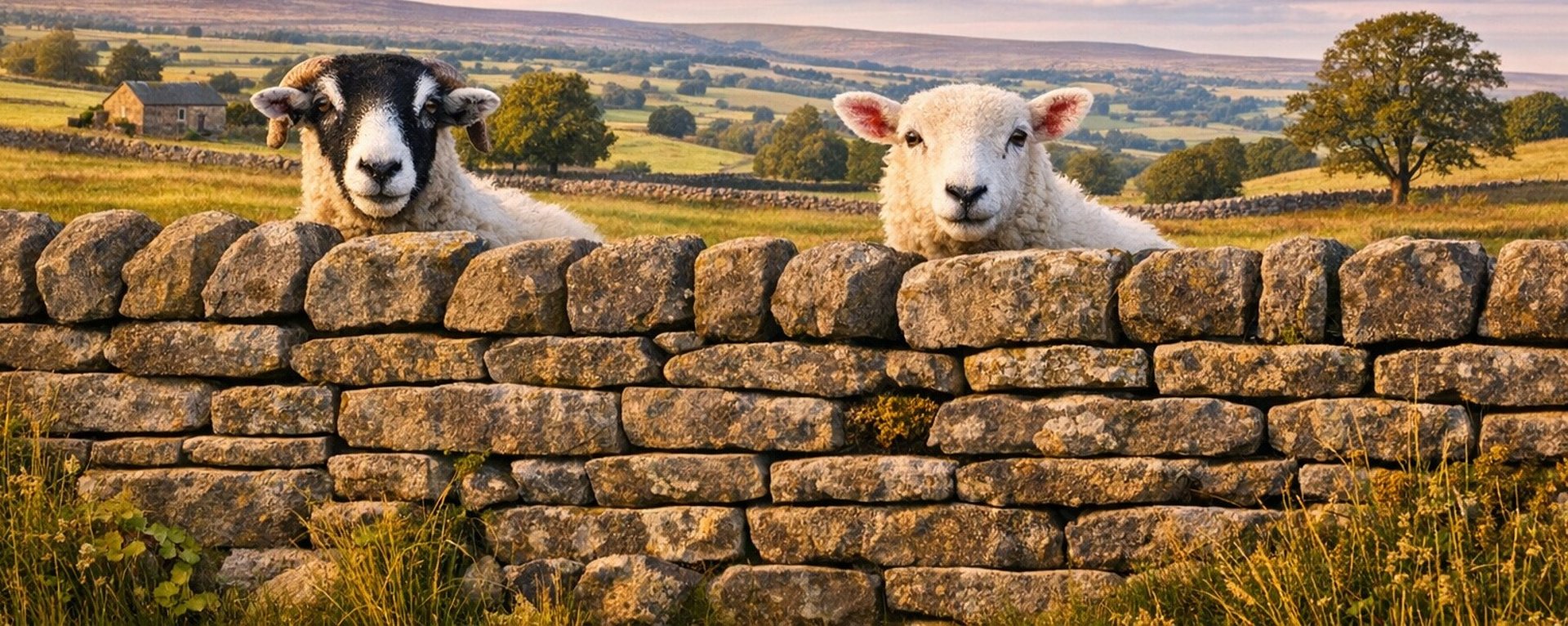
Road: A car is essential for the "Deep Dales" and the East Coast. Be prepared for narrow, dry-stone wall lanes in the West and North.
Timing: Visit in May/June for wildflowers or September for purple heather on the moors.
The Coastal Route (The East & North Edge)
Beyond the usual Whitby trip, explore the dramatic chalk cliffs and quiet sands.
Spurn Point (East): Yorkshire’s "Land’s End." A curving peninsula that is a haven for birdwatchers.
Beverley (East): Often called "York without the tourists." The Beverley Minster is an architectural masterpiece.
Bempton Cliffs (East): Home to half a million seabirds. Between April and July, this is the best place in England to see Puffins.
Staithes & Runswick Bay (North): Former fishing villages tucked into tiny coves, famous for fossil hunting.
The Industrial & Literary West
Where rugged moorland meets the birth of the Industrial Revolution.
Hebden Bridge: A bohemian steep-sided valley town known for independent shops and the nearby Hardcastle Crags.
The Brontë Parsonage (Haworth): Walk the windswept moors that inspired Wuthering Heights.
Saltaire: A UNESCO World Heritage Victorian model village. Visit Salts Mill to see the permanent David Hockney exhibition.
The Yorkshire Sculpture Park: An incredible open-air gallery in Wakefield featuring works by Henry Moore and Barbara Hepworth.
The Peak & Industrial South
A mix of dramatic gritstone edges and grand estates.
Sheffield (The Outdoor City): One of the only cities in the world with a National Park (The Peak District) within its boundary.
Wentworth Woodhouse: One of the largest historic houses in Europe with a facade longer than Buckingham Palace.
Kelham Island (Sheffield): A must-visit for "Real Ale" enthusiasts and industrial history buffs.
The Peak District (South Edge): Explore Stanage Edge for world-class rock climbing and hiking vistas.
The Hidden Gems (The "Not Usually Visited" List)
East Yorkshire
Sledmere House - An exquisite Edwardian country house with world-class gardens.
BEVERLEY. A sophisticated market town that feels like a more relaxed, "local" version of York.
The Crown Jewel: Beverley Minster. It is widely considered one of the finest Gothic buildings in Europe. Unlike York Minster, it is often free to enter (donations welcome) and much quieter.
The "Local" Spot: Beverley Westwood. A massive, ancient common land where cows and sheep roam freely. It’s perfect for a sunset walk or a picnic with views back toward the Minster.
Foodie Tip: Visit TC Patisserie on Lairgate for authentic French pastries that locals queue for, or The Westwood Restaurant (located in a former courtroom) for high-end dining.
South Yorkshire
The Crown Jewel: Conisbrough Castle. This castle features a rare, white limestone circular keep—the only one of its kind in England. It was the inspiration for the classic novel Ivanhoe. You can climb to the top for incredible 360° views of the Don Valley
The "Local" Spot: Roche Abbey (just a 15-minute drive away). These Cistercian ruins are hidden in a valley designed by the famous landscape architect "Capability" Brown. It is far less crowded than the famous Fountains Abbey.
Traveller Tip: Use the train. Conisbrough has its own station on the line between Sheffield and Doncaster, making it a very easy car-free day trip.
West Yorkshire - - The Piece Hall (Halifax)A stunning Georgian cloth hall—the only one of its kind left in the world.
West Yorkshire
Hebden Bridge A creative small town that has reinvented itself, tucked into a steep-sided wooded valley.
The Crown Jewel: Hardcastle Crags. A deep, wooded valley owned by the National Trust. At its heart is Gibson Mill, a 19th-century cotton mill that is now completely off-the-grid (generating its own power.
Unique Activity: Hike up to Heptonstall, a tiny village perched on the cliff above the town. It’s remarkably well-preserved and is the final resting place of the American poet Sylvia Plath.
North Yorkshire - Mount Grace Priory - The best-preserved Carthusian priory in Britain, featuring a reconstructed monk’s cell.
The "Hidden" View: Skip the crowded spots and head to Sutton Bank; James Herriot called it "the finest view in England."
Osmotherley & Mount Grace A gateway to the moors that feels worlds away from the busy seaside towns of Whitby or Scarborough.The "Local" Spot: Sheepwash. A beautiful picnic spot just outside the village where the stream widens. It’s a favorite for locals to take a dip in the summer or start a hike up to the "Cleveland Way."Village Life: Osmotherley is a "three-pub village." The Golden Lion is famous for its high-end food and cozy fireside seats.
During Your Visit:
Try the "Yorkshire Tapas": Many local pubs now serve smaller portions of regional classics like mini Yorkshire puddings and local cheeses (Wensleydale or Barncliffe Brie).
Walk a "Ley Line": Visit the Devil’s Arrows in Boroughbridge—three massive prehistoric standing stones.
The "Hidden" View: Skip the crowded spots and head to Sutton Bank; James Herriot called it "the finest view in England."
Respect the Code: Remember to "Close the Gate"—much of Yorkshire’s beauty is on working farmland.