Visiting York
Visiting York is like stepping through a portal that spans two millennia. Located in North Yorkshire, England, it is a city where Roman foundations, Viking heritage, and medieval architecture coexist with a vibrant, modern food and festival scene.
Here is a basic introduction to the highlights of the "Walled City."
1. The Medieval Heart
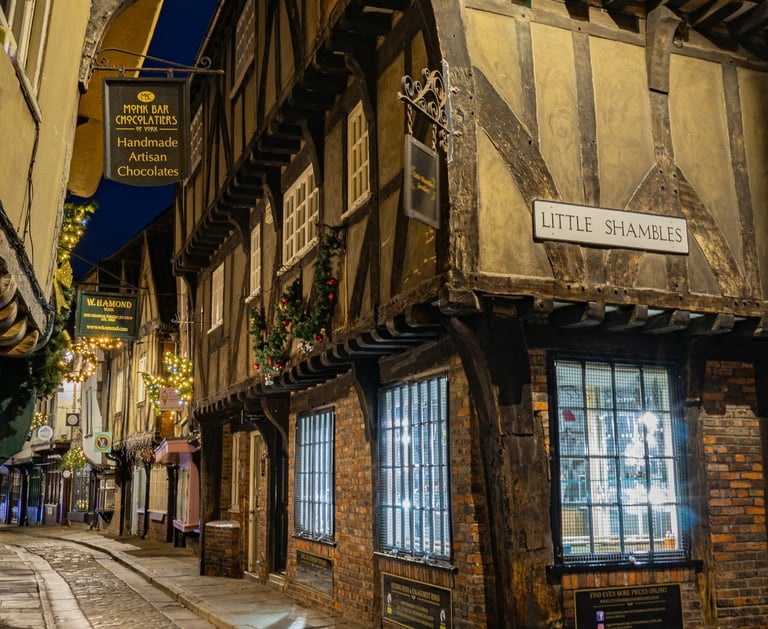
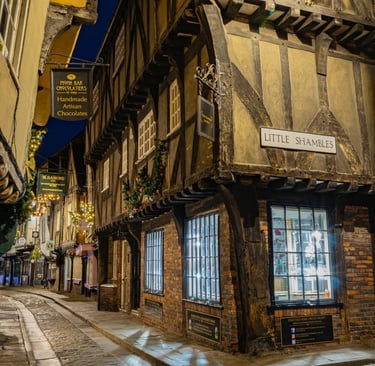
The most iconic image of York is The Shambles, a narrow, winding street with overhanging timber-framed buildings that date back to the 14th century. Once a street of butcher shops, it is now famous for its independent boutiques and magical atmosphere (often compared to Diagon Alley in Harry Potter-although that has not been officially confirmed, just good marketing). At weekends it is very busy from about 9am when the shops open. If you want to take a photo be there about 7.30am. Whether you’re there for a weekend break or a deeper exploration of British history, York manages to feel both like a cozy village and a grand historic capital.
2. Architectural Marvels
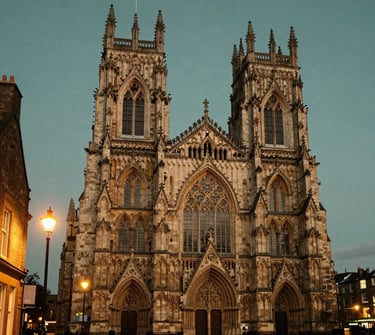
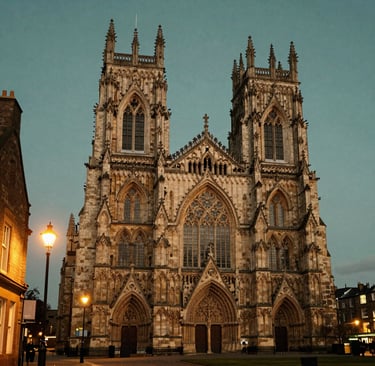
York Minster: One of the world’s most magnificent Gothic cathedrals. It is famous for its "Great East Window"—the largest expanse of medieval stained glass in the UK. It costs £32000 per day to run the Minister. It is a very important building and costs a lot of money to maintain it. This is why there is a substantial charge to view the marvelous building. It is best if you can pre book your visit, so you can bypass the queue at the entrance. Admission ticket allows you free admission for 12 month .
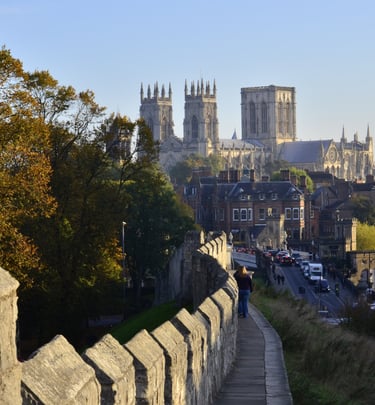
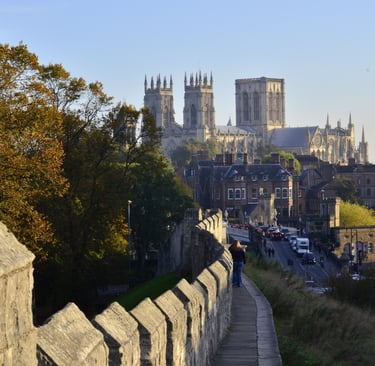
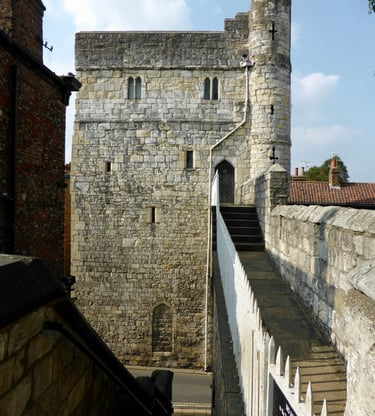
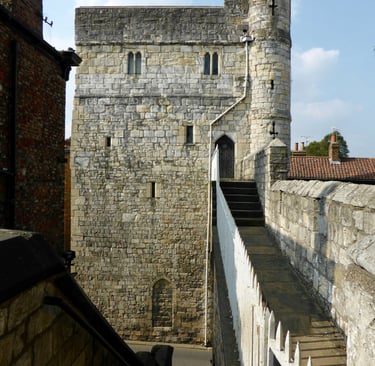
City Walls: York has the most complete medieval city walls in England. You can walk the elevated 3.4km circuit for free, which offers a unique perspective of the city's gardens and rooftops.The walls are in three sections, so you can choose to walk it all or just sections of it. They do close at night depending when sunset occurs. The walls are checked every morning before opening. In the Winter, if the walls are icy, they do not open for the day. They are not checked again when the weather might have improved..
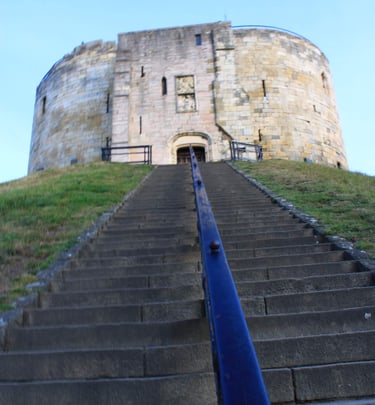
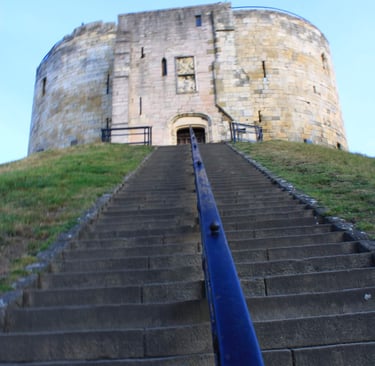
Clifford’s Tower: The last remaining part of York Castle, perched on a grassy mound, offering panoramic views of the city skyline. Managed by English Heritage. Members can get in free. If you have to pay, I advise you pre book the day before and you will get 15% off the admission price. There are a lot of English Heritage properties in Yorkshire, so it might be worth considering joining their membership scheme.
3. Deep-Dive History
York doesn't just display its history; it lets you experience it:
Jorvik Viking Centre: Built on the site of an actual 10th-century Viking neighborhood, it uses a "time capsule" ride to recreate the sights, sounds, and even the smells of Viking-age York.
Please NOTE -you must prebook this attraction. They dont do walk up anymore. You can book on line or book at the Visit York Information centre on Parliament Street. In busy months June-September and other school holidays you may have to book at least 48 hours before you wish to visit.
National Railway Museum: A must-visit for engineering fans, housing world-class locomotives like the Mallard and a Japanese Bullet Train. Currently they are carrying out building work which is due to finish in a couple of years. Whilst it does not effect your visit inside the museum, getting to the museum does. If you arriving by car there is no problem, but if you are walking there is a long diversion from the city. Please bear this mind if you have mobility complications.
York Castle Museum: Famous for "Kirkgate," a perfectly recreated Victorian street complete with authentic shops and costumed characters.
4. Culture and "The Dark Side"
York is often cited as one of the most haunted cities in the world. As the sun sets, you’ll find numerous Ghost Walks departing from the Minster or the Shambles, blending macabre history with theatrical storytelling. Some of the walks are simple story telling and others are theatrical as well. All the ones I have been on have been very good. Some have to be prebooked others you can just turn up. In the busy months I would suggest you should prebook.
For a sweeter experience, the city has a deep connection to chocolate (it’s the birthplace of the KitKat and Terry’s Chocolate Orange). You can explore this at York’s Chocolate Story or visit one of the many artisanal chocolatiers.
Essential Visitor Tips
Transport: York is a "walkable" city. The city centre is largely pedestrianized, and most major sights are within 15 minutes of each other.
The York Pass: If you plan on hitting more than three major paid attractions, a York Pass can save you significant entry fees.
Parking in York is expensive. There are different rates for during the week and at weekends and when there are events on E.g Christmas they are even more expensive. York's Park and Ride bus system works well and suggest wherever possible that you use it. Traffic is not allowed in the centre during the day. If you have a blue badge parking is Free in all the car parks. You can get into the centre during the day with your blue badge, but routes you want to take can be restricted. At all the major entrances and exits to get into the centre of the centre there are rising barriers. Some are manned during the day, so you wont have to operate them yourself.
Crowds: To see The Shambles without the crowds, try to visit before 9:00 AM.
Whether you’re there for a weekend break or a deeper exploration of British history, York manages to feel both like a cozy village and a grand historic capital.
Visitor Accommodation in York
York is a city where every cobbled street, timber‑framed building, and riverside view tells a story — and the same is true of its accommodation. Whether you’re planning a romantic escape, a family adventure, or a budget‑friendly weekend, York offers a stay for every style of traveller.
This guide walks you through the main types of accommodation available in and around the city, complete with real examples to help you find your perfect base.
1. Boutique & Luxury Hotels
Perfect for: couples, special occasions, travellers who want comfort with character.
York’s boutique and luxury hotels blend heritage architecture with modern indulgence. Many sit inside grand Georgian buildings or former civic landmarks, offering a stay that feels both elegant and deeply connected to the city’s past.
Examples:
The Grand, York – The city’s only 5‑star hotel, set inside the former North Eastern Railway headquarters. Expect refined rooms, a luxury spa, and exceptional service.
Middletons Hotel – A peaceful collection of historic buildings gathered around a leafy courtyard. Stylish rooms and a relaxed boutique feel make it a favourite for returning guests.
The Judge’s Lodging – A Grade I listed Georgian townhouse overlooking St Helen’s Square. Think period charm, plush interiors, and a superb central location.
2. Mid‑Range & Chain Hotels
Perfect for: families, weekend breaks, travellers wanting reliability and convenience.
These hotels offer comfort without the premium price tag, often with parking and easy access to the city centre.
Examples:
Travelodge York Central Layerthorpe – A casual riverside hotel with bright rooms and free parking.
Travelodge York Central (Piccadilly)–A great base for exploring the Shambles, Fossgate, and the city centre on foot. This location has a Wetherspoon's )
Travelodge Micklegate (centre) Please note: this location can be busy and noisy on Friday and weekend nights. Nightclubs nearby with lots of groups (hen) parties). During the week it should be fine. (Book early to stay at these locations all year round)
3. Guest Houses & B&Bs
Perfect for: travellers who want a homely feel, personal touches, and hearty breakfasts.
York’s guest houses are often family‑run, offering warm hospitality and excellent value — ideal for visitors who prefer a more personal touch.
Examples:
The Crescent York – An 18th‑century Georgian guesthouse with traditional rooms and a free cooked breakfast.
Vikings Accommodation – A well‑reviewed guest house in Clifton, perfect for quieter stays just outside the centre.
4. Budget Hostels
Perfect for: solo travellers, backpackers, students, and anyone wanting a social, affordable stay.
Hostels in York often occupy historic buildings, offering both dorms and private rooms.
Safestay York Micklegate – A stylish hostel set in a Georgian townhouse, with bright dorms, private rooms, and a friendly social atmosphere.
Youth Hostel - just outside the city, a choice of pleasant walk along the river or use the excellent bus service from outside of the Museum Gardens.
5. Self‑Catering Apartments & Holiday Lets
Perfect for: families, longer stays, groups, and travellers wanting their own space.
York has a huge range of serviced apartments and holiday rentals, from modern riverside flats to quirky lofts in medieval buildings. Car parking can be a problem if accommodation does not have any. Car parking in York is expensive.
Typical features: kitchens, living areas, flexible check‑in, great for multi‑day stays
6. Countryside Lodges & Inns (Just Outside York)
Perfect for: walkers, cyclists, and visitors wanting a peaceful base close to the city.
Within 10–20 minutes of York, you’ll find rustic inns, farm stays, and woodland lodges — ideal for combining city sightseeing with Yorkshire countryside charm.
7. Historic Stays
Perfect for: travellers who want a story behind their accommodation.
York’s long history means you can stay in converted convents, Georgian mansions, or centuries‑old coaching inns.
Examples:
Middletons Hotel – A cluster of 17th and 18th‑century listed buildings with a fascinating past.
The Judge’s Lodging – Once home to York’s senior judge, now a boutique hotel full of Georgian elegance.
The Grand, York – A former Edwardian railway headquarters, now transformed into a luxury landmark.
Benningbrough Hall (National Trust -20 minutes North of York) - do have unusual holiday accommodation. Two properties available - cottage at the side of the river and above the Victorian Laundry. The laundry accommodation has many steps to the entrance.