The Ultimate Brontë Sisters Guide: Walking Through the Moors of Haworth
Have you ever closed a copy of Wuthering Heights or Jane Eyre and felt an overwhelming urge to see the landscapes that inspired such fierce, chaotic passion? You aren't alone.
Every year, thousands of literary travelers make the pilgrimage to the rugged hills of West Yorkshire. They come to walk in the footsteps of Charlotte, Emily, and Anne Brontë—three sisters who overcame crushing personal tragedy and rigid Victorian societal bias to change English literature forever.
Whether you are planning a literary pilgrimage or just want to dive deeper into Brontë country from the comfort of your favorite reading chair, this guide explores the history, the drama, and the real-world locations behind their timeless novels.
A Literary Family Defying the Odds
The story of the Brontë family is as dramatic as the books they wrote. Growing up in the isolated parsonage of Haworth, Yorkshire, the sisters—alongside their brilliant but troubled brother, Branwell—were marked by early loss. After losing their mother and two older sisters, they turned inward, building massive, intricate imaginary worlds to cope.
When they grew up, they faced a massive obstacle: Victorian society did not take women writers seriously.
To avoid blatant prejudice and ensure their voices were heard, they gambled on a clever strategy. They published under male pseudonyms that kept their initials intact:
Charlotte became Currer Bell
Emily became Ellis Bell
Anne became Acton Bell
The gamble paid off spectacularly. Long before the public discovered three young women were behind the manuscripts, Jane Eyre and Wuthering Heights took the literary world by storm.
Traveler Tip: Want to dive deeper into their personal letters and original manuscripts? Pick up a copy of The Brontës: Wild Genius on the Moors before your trip, or secure your [Brontë Parsonage Museum Entry Tickets] ahead of time, as slots sell out fast during peak summer months.
Stories That Shook Victorian Society
The Brontës weren't interested in writing polite, comfortable Victorian stories. They were literary disruptors.
Charlotte’s Jane Eyre fused sweeping romance with sharp social critique, while Emily’s Wuthering Heights pushed Gothic fiction into darker, psychologically complex territory. They explored intense themes of female independence, morality, domestic violence, and destructive obsession.
The critics of the era were wildly divided. Some praised the raw emotional power of the novels; others were genuinely shocked by their intensity.
Charlotte, in particular, was known for her incredibly strong literary opinions. She wasn't afraid to fiercely defend the books she loved—or completely tear down the ones she hated.
The Moors as Muse
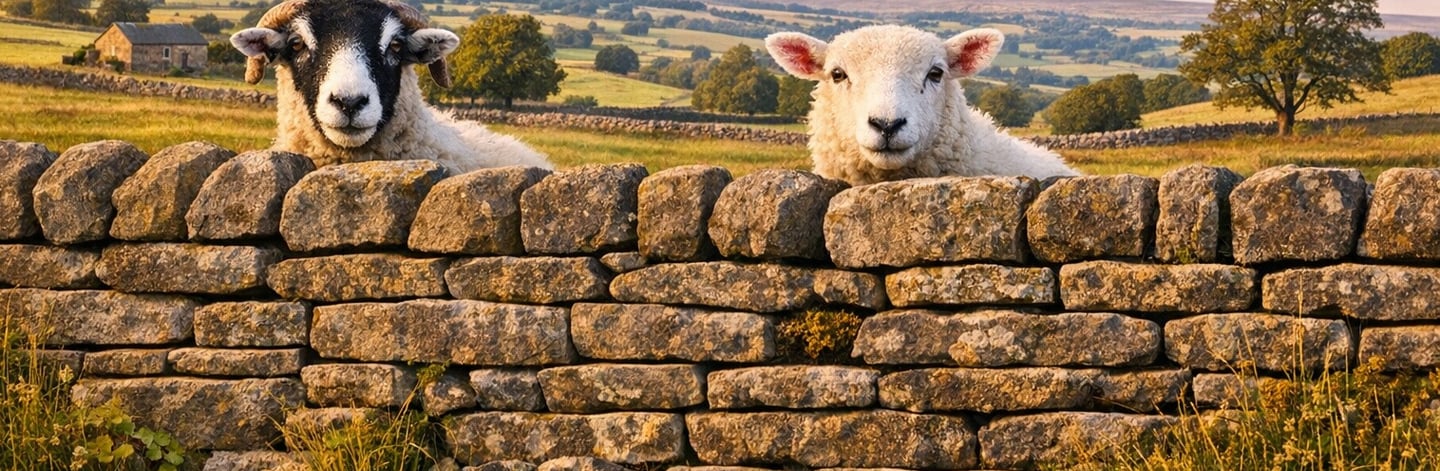
You cannot truly understand the Brontës without understanding Yorkshire's rugged moors. The landscape wasn't just a backdrop; it functioned as a living, breathing character in their work.
Emily, in particular, was deeply intertwined with the landscape. She infused Wuthering Heights with the wildness, unpredictable weather, and absolute isolation of the hills surrounding her house. The physical environment mirrored her characters' inner turmoil—Heathcliff's volatile nature is perfectly captured by the windswept heather and exposed stone.
Walking in Their Footsteps: A Travel Itinerary
For modern fans, stepping into Haworth is like stepping directly into a time capsule. If you are planning a trip to experience the atmosphere that shaped their art, make sure these key locations are on your itinerary:
Haworth’s Cobbled High Street: A steep, historic hill lined with independent bookstores, charming tea rooms, and old-world pubs where the Brontës once walked.
The Brontë Parsonage Museum: The sisters’ actual home, preserved exactly as it was. You can view their tiny, hand-written books, Charlotte’s clothes, and the very table where they wrote their masterpieces.
The Brontë Stones Walk: A gorgeous outdoor trail connecting Haworth to Thornton, featuring permanent stone installations celebrating the sisters’ legacy.
Ponden Hall & Ponden Kirk: A historic farmhouse widely believed to be the inspiration for Thrushcross Grange and the wild cliffs of Wuthering Heights.
Plan Your Pilgrimage
Where to Stay: For a fully immersive experience, book a room at the historic [Weavers GuestHouse] or the cozy [Ashmount Country House], both just steps from the moors.
What to Pack: The weather on the moors changes rapidly. Make sure to pack a sturdy pair of waterproof hiking boots—we recommend [Waterproof Hiking Boots]—and a windproof jacket to handle the open trails.
Whether you come for the history, the hiking, or the literature, the wild energy of the moors still holds the exact same magic today as it did when three sisters sat by candlelight, reshaping the world with their words.